Project summary
We Are Our History (WAOH) was a Bodleian Libraries project that helped the Libraries take a close look at its collections, its work with audiences and its staffing through the lens of race and the legacies of the British Empire. It was a crucial part of the Bodleian Libraries’ endeavours to foster and value inclusion and diversity in everything that we do.
We Are Our History was a Mellon Foundation-funded project that ran from summer 2022 until Autumn 2024.
The project's title took inspiration from a quote by the American writer James Baldwin: "History is not the past. It is the present. We carry our history with us. We are our history."
The project won the Vice-Chancellor's Commitment to Equality, Diversity and Inclusion Award in 2024.
Project dates
2022–2024
Project aims
The project's aim was to make recommendations for improvement across eight work areas in three themes through conducting research in each area and piloting activities.
Collections
- Bodleian and Empire: Dug into how the Bodleian Libraries got its global collections, much of which came during the Empire days, bringing hidden stories to light.
- Collection Description: Reviewed language used in the cataloguing and classification of archives/collections and updated historically insensitive terms, making how things are described more inclusive.
- Collection Development: Identified gaps in the collections and worked to make our collections more diverse.
- Digitisation: Reviewed our digital content and put more content from underrepresented groups online.
Audiences
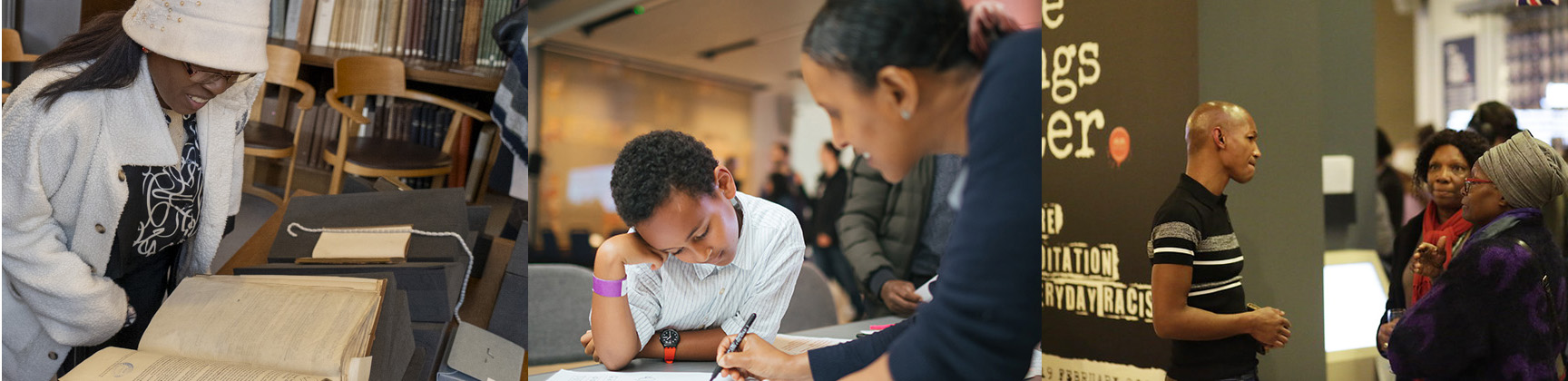
- Public Engagement: Got input from diverse communities on content for exhibitions and events, amplifying unheard voices.
- Communications: Improved messaging – and encouraged conversation – about the Bodleian's work in this area.
Staffing
- Organisational culture: Supported staff on issues around equality, diversity and racial equity through training and toolkits.
- Staffing: Reviewed recruitment and retention data to identify and address any inequities, took positive steps to help build a more diverse staff.
Outcomes
Selected outcomes include:
- Twelve research blogs revealing previously hidden histories within the collection.
- Delivering five workshops and focus group sessions across workstreams.
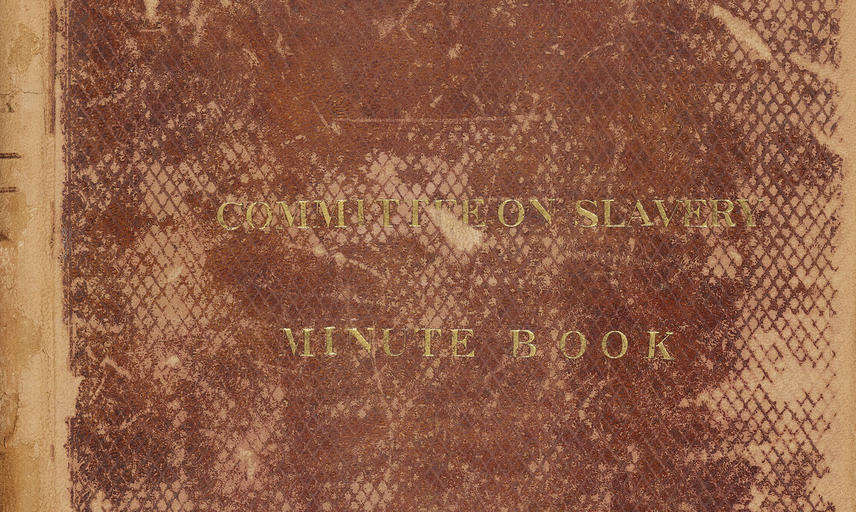
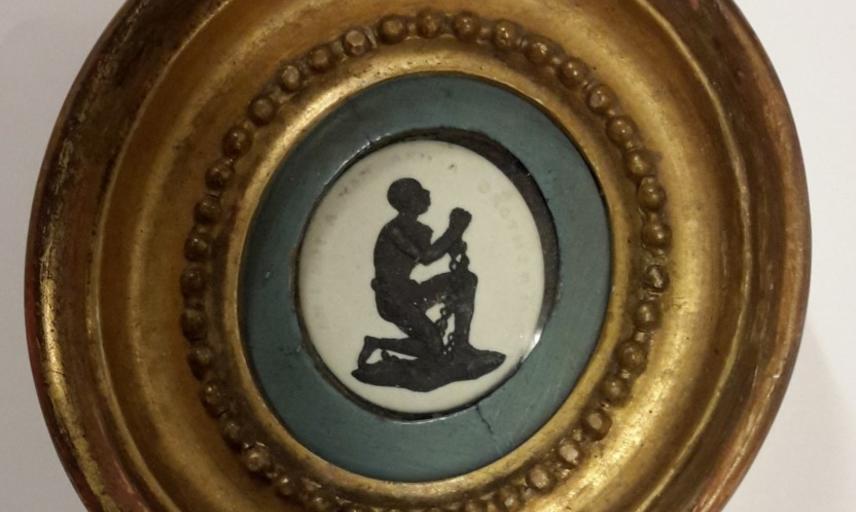
- Key anti-slavery records and colonial papers digitized, significantly improving public access to colonial resources.
- Successful ‘WAOH Conversations’ series, also drawing in new and diverse audiences.
- Implementing three compulsory EDI recruitment training courses, enhancing EDI hiring practices.
- Over 5000 records of Sanskrit manuscripts rekeyed and made discoverable online.
- 1000 potentially offensive words and terms searched in the Manuscripts and Archives collections informing new terminology guidance.
- Creating a dedicated WAOH project webpage with links to project background, events, research blogs and videos.
- A new intranet site featuring a dedicated EDI self-development pathway for staff.
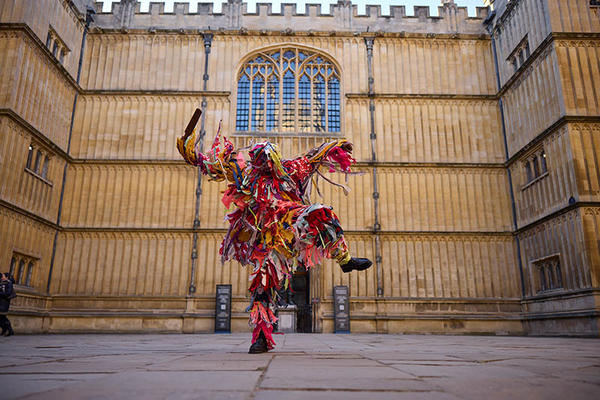
- New audiences were reached through Public Engagement programmes, such as ‘Mischief in the Archives’ and ‘These Things Matter’ in partnership with Museum of Colour and Fusion Arts, which attracted an audience that was 36% BME.
Download the full report (PDF)
Project lead and governance
The principal investigator of the project was Richard Ovenden, Bodley’s Librarian, Bodleian Libraries and Head of Gardens, Libraries, & Museums at the University of Oxford.
The project was governed by an advisory board made up of academics and experts in equality, diversity and inclusion from across Oxford and beyond.
The project was delivered by a team of colleagues from across the Bodleian Libraries.
Richard Ovenden said about this project:
In We Are Our History and its related work areas, we have an extraordinary opportunity to put inclusion and diversity at the heart of the Bodleian Libraries and to foster these principles into all aspects of our work.
We are motivated by the chance to create meaningful, sustainable changes that will over time build inclusive research streams and make our institutions more reflective of the diversity of human experience.
Amplifying historically lesser-heard voices, breaking down barriers and integrating recommendations into ongoing policies, will allow us to build meaningful, sustainable change into the fabric of our services.
By re-examining our past and present with nuance, we can build a more inclusive future that better represents all of our stories and histories within our collections, staff and audiences.